
Vietnam’s Phu Quoc Island is preparing for a massive transformation that could position it as one of Southeast Asia’s most formidable luxury tourism destinations and a serious competitor to Thailand’s Phuket. With approximately 14,000 additional high-end hotel rooms planned between 2027 and 2030, alongside major airport upgrades, new transportation infrastructure, and an international convention center, the island is positioning itself to capture a larger share of the region’s lucrative tourism market.
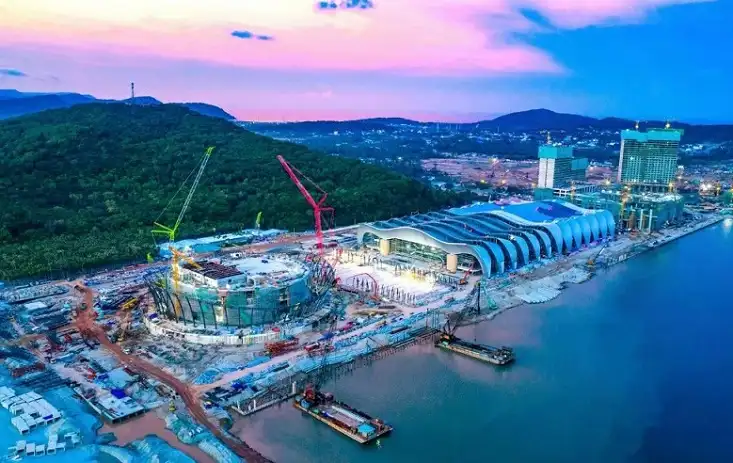
Image Credit: StockShots
According to industry projections examined in this Hotel and Hospitality News report, the ambitious expansion is being driven partly by preparations for the Asia-Pacific Economic Cooperation (APEC) 2027 meetings. However, the implications extend far beyond the international gathering, potentially reshaping tourism investment, luxury hospitality competition, and international visitor flows across Southeast Asia.
Luxury Hotel Supply Could Almost Double
Research and consulting firm Savills forecasts that Phu Quoc could introduce approximately 14,000 additional luxury hotel rooms between 2027 and 2030, with the largest concentration of new supply expected during 2027 and 2028.
The expansion could nearly double the island’s existing upscale hotel inventory, dramatically increasing competition among established resorts and incoming international hospitality operators.
Much of the development is concentrated in southern Phu Quoc, where internationally managed hotels and integrated resort projects are expected to dominate the emerging luxury accommodation landscape.
Cao Thi Thanh Huong, Deputy Director of Research and Consulting at Savills Ho Chi Minh City, believes the expansion represents an important transition for the island’s hospitality industry.
Rather than depending primarily on conventional beach vacations, Phu Quoc is increasingly targeting affluent international travelers, corporate visitors, conference delegates, and tourists seeking premium experiences.
This diversification could provide the foundation for a more resilient tourism economy, particularly if international connectivity and visitor spending continue improving.
Airport Expansion and Convention Center Transform Infrastructure
Phu Quoc’s infrastructure modernization is central to its tourism ambitions.
Construction of Terminal 2 at Phu Quoc International Airport is progressing as authorities accelerate preparations for APEC 2027. The upgraded airport infrastructure is intended to improve passenger handling capabilities and support greater international connectivity.
Meanwhile, the Phu Quoc APEC Convention and Exhibition Centre is taking shape, creating an important platform for international conferences, exhibitions, corporate gatherings, and other large-scale events.
Additional investments in transportation networks, water supply, wastewater treatment, and supporting public infrastructure are designed to address longstanding development constraints.
Huong explained that APEC provides both international exposure and a firm deadline for completing essential projects.
These improvements could strengthen investor confidence by demonstrating that Phu Quoc possesses the infrastructure necessary to support sustained tourism growth rather than temporary increases in visitor arrivals.
Phuket Faces Another Emerging Luxury Tourism Rival
For Phuket’s established hospitality industry, Phu Quoc’s expansion represents an increasingly significant regional development.
Both destinations compete for international leisure travelers, luxury resort investments, beachfront accommodation demand, and airline connectivity.
Phuket currently benefits from its mature tourism infrastructure, extensive international recognition, established hospitality workforce, and diverse entertainment offerings.
However, Phu Quoc’s growing inventory of internationally branded luxury resorts could create additional competition, particularly among travelers considering premium island vacations in Southeast Asia.
The Vietnamese destination may also attract international hotel operators seeking opportunities in newer resort markets.
Nevertheless, additional hotel rooms alone will not guarantee that Phu Quoc can challenge Phuket’s established tourism position. Airline accessibility, destination experiences, service standards, and consistent international demand will ultimately determine its competitive strength.
Strong Occupancy Creates Optimism but Raises Questions
Recent performance indicators have encouraged developers and hospitality investors.
According to the supplied market assessment, occupancy levels at upscale Phu Quoc hotels exceeded 90 percent during favorable periods spanning 2025 and early 2026.
Such figures suggest strong accommodation demand, although sustaining comparable performance across a substantially larger hotel inventory will be considerably more challenging.
The arrival of thousands of additional rooms could intensify pricing competition, especially if international visitor growth fails to match the pace of construction.
Hotel operators may face pressure to maintain room rates while simultaneously investing in staffing, guest experiences, marketing, and service improvements.
For investors, the critical question is whether anticipated tourism growth can generate sufficient revenue to support the expanding luxury hospitality sector.
What Happens After APEC 2027
Savills identifies three essential factors that could determine Phu Quoc’s long-term success.
The first involves attracting visitors throughout the year, reducing dependence on seasonal tourism patterns.
The second concerns expanding direct international flights, allowing the island to access additional markets without relying heavily on connecting services.
The third requires developing attractions and experiences beyond individual resorts, encouraging longer vacations, higher visitor spending, and repeat travel.
Workforce availability presents another important challenge.
Thousands of additional luxury rooms will require trained hospitality employees, experienced managers, specialized service personnel, and reliable supporting businesses.
Without adequate staffing and destination infrastructure, rapid hotel development could undermine the premium guest experiences that international operators promise.
A More Competitive Future for Southeast Asian Hospitality
Huong emphasized that Phu Quoc’s investment market is entering a more selective period, where operational performance and genuine tourism demand will increasingly outweigh speculative property expectations.
Successful developments will need more than attractive beachfront locations. Strong transportation connections, distinctive hospitality concepts, professional management, and financial resilience will become essential competitive advantages.
For Phuket, the emergence of another rapidly expanding luxury island destination reinforces the importance of maintaining service excellence, improving tourism infrastructure, and offering experiences that distinguish Thailand’s leading resort market from its regional competitors.
Phu Quoc’s ambitious transformation could significantly alter Southeast Asia’s luxury tourism landscape, but its ultimate success will depend on converting infrastructure investment and hotel construction into sustainable visitor demand. Whether it becomes a genuine challenger to Phuket will be determined by long-term occupancy, international accessibility, hospitality standards, and its ability to attract returning travelers well beyond APEC 2027.