
Phuket Hotel News: A sweeping enforcement operation by Thailand’s Department of Provincial Administration (DOPA) has sent shockwaves through Phuket’s hospitality sector after authorities raided three accommodation businesses in the island’s key tourism zones of Karon and Rawai for allegedly operating without the required hotel licences. The coordinated action forms part of a wider national campaign targeting illegal business activities, corruption, and underground commercial networks that authorities say threaten fair competition and public safety.
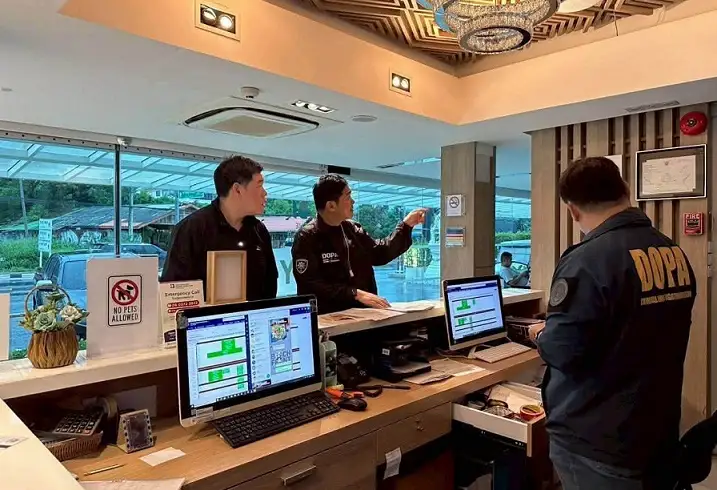
Image Credit: Facebook Page DOPA
In a move that underscores the government’s determination to strengthen regulatory compliance, this Phuket Hotel News report finds that the operation was launched following extensive intelligence gathering and investigations into accommodation providers suspected of illegally offering hotel-style services to both domestic and international tourists. Officials believe several operators had been accepting bookings through online platforms while bypassing legal licensing requirements and government-mandated standards.
Intensive Investigation Leads to Coordinated Raids
The operation was conducted under policies championed by Prime Minister and Interior Minister Anutin Charnvirakul, who has repeatedly emphasized the importance of restoring social order, combating corruption, and eliminating unlawful business activities. Acting on those directives, DOPA Director-General Narucha Khosasilai instructed senior officials and a special operations team from the department’s central office to investigate reports of widespread unlicensed accommodation businesses in Phuket.
Authorities carried out months of surveillance and evidence collection before identifying three target establishments located in Karon and Rawai. Investigators reportedly found that the businesses were openly advertising rooms, accepting reservations, and providing services comparable to licensed hotels despite lacking authorization under the Hotel Act B.E. 2547 (2004).
Once sufficient evidence had been gathered, special operations officers conducted simultaneous inspections at all three properties. During the raids, officials reportedly uncovered clear evidence of unauthorized hotel operations. Individuals responsible for managing the establishments were arrested, while booking records, service documentation, and other relevant materials were seized for use in legal proceedings.
Protecting Legitimate Businesses and Tourists
According to DOPA officials, the crackdown is intended not only to enforce the law but also to protect legitimate hotel operators that invest heavily in compliance, taxation, and safety standards. Authorities argue that illegal accommodation providers gain an unfair advantage by avoiding licensing costs and regulatory obligations while competing directly with licensed establishments.
Narucha stated that unlicensed hotel operations create significant economic distortions by undermining businesses that follow the law and contribute tax revenues to the state. He stressed that such practices can damage the broader hospitality ecosystem, particularly in tourism-dependent destinations such as Phuket.
Beyond economic concerns, authorities highlighted potential safety risks. Licensed hotels are required to meet strict standards covering fire prevention systems, structural safety, emergency procedures, and guest protection measures. Illegal accommodation providers may fail to meet these requirements, potentially exposing visitors to unnecessary risks.
Safeguarding Phuket’s Tourism Reputation
Tourism officials also expressed concern about the potential impact of illegal hotels on Thailand’s international reputation. Phuket remains one of the country’s most important tourism destinations, attracting millions of visitors annually. Any incidents involving unregulated accommodation could negatively affect traveler confidence and damage the island’s image as a world-class tourism destination.
DOPA confirmed that similar enforcement actions will continue across Thailand, particularly in major tourism provinces where unlicensed accommodation businesses are believed to be operating. The department pledged to pursue inspections in a strict, continuous, and decisive manner to ensure compliance with national regulations.
The latest Phuket operation serves as a powerful warning to accommodation operators who attempt to circumvent licensing laws. Authorities have made it clear that enforcement efforts are intensifying and that businesses operating outside the legal framework will face prosecution. For Phuket’s tourism industry, the campaign represents an effort to create a more transparent and competitive marketplace while reinforcing visitor safety and protecting the destination’s long-term reputation. As tourism continues to rebound and grow, regulators believe that maintaining high operational standards will be critical to sustaining confidence among travelers, investors, and legitimate hospitality businesses alike.
For the latest on the hospitality industry in Phuket, keep on logging to Phuket Hotel News.