
Hotel and Hospitality News: Shift from Construction to Capital Optimization
The United Arab Emirates’ hospitality sector is transforming from a build-heavy expansion phase to a more calculated, investment-led era. Knight Frank’s latest market review shows the country’s hotels have entered a phase of maturity marked by stronger performance metrics, growing investor interest, and a focus on long-term returns rather than rapid development.
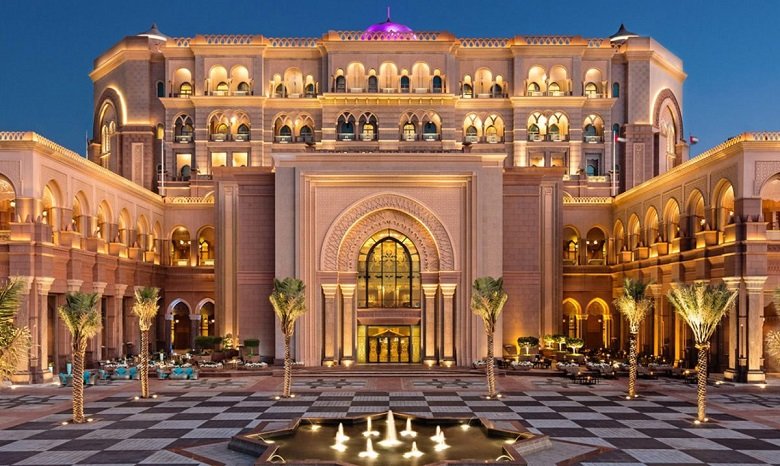
UAE hotel market pivots toward strategic investment as performance surges and developers focus on returns over rapid expansion.
Image Credit: Emirates Palace Mandarin Oriental
According to this Hotel and Hospitality News report, the UAE’s hotel industry recorded impressive performance gains through August, with nationwide occupancy at 78.5% and both revenue per available room (RevPAR) and average daily rate (ADR) rising by 11.9% year-on-year. The data signals a healthy and sustainable market shift anchored by profitability and operational efficiency rather than aggressive new supply.
Dubai and Abu Dhabi Lead the Charge
Dubai and Abu Dhabi remain the twin powerhouses driving the country’s hospitality momentum. Dubai’s RevPAR jumped 10.1%, while Ras Al-Khaimah followed closely at 10%. Abu Dhabi hotels outperformed all others with a 24% RevPAR surge and a 20.2% ADR increase. Dubai’s 11.17 million international visitors between January and July 2025—up 5.2% year-on-year—generated 25.53 million occupied room nights, underscoring the emirate’s role as the region’s tourism engine.
This solid growth pattern reflects consistent demand across both leisure and business segments, giving hoteliers room to sustain rates and maintain high occupancy levels.
Investors Focus on Upgrades and Acquisitions
As returns strengthen, the strategic focus of 2025 is shifting from ground-up construction to acquisitions, brand repositioning, and targeted refurbishments. Knight Frank highlights growing participation from regional family offices, sovereign funds, and global institutional investors who now view UAE hospitality assets as long-term capital plays rather than short-term speculative ventures.
Hotel owners are also aligning with global brands to drive value creation through operational upgrades, efficiency improvements, and mixed-use development models. This evolution marks the sector’s transition into a more disciplined, return-oriented investment environment.
Luxury Segment Continues to Dominate Supply Pipeline
The UAE currently boasts 213,928 hotel rooms, with the luxury and upper-upscale categories making up nearly 43% of upcoming projects. By 2030, total inventory is expected to reach 235,674 rooms, with Dubai accounting for more than half of all new supply. The emirate’s development is reinforced by ambitious frameworks such as the D33 Economic Agenda and the Dubai 2040 Urban Master Plan, ensuring continued dominance in both leisure and corporate segments.
Abu Dhabi, Sharjah, and Ras Al-Khaimah also remain active, with a combined 63,000 existing and pipeline keys, illustrating a nationwide diversification beyond Dubai’s core market.
Outlook for a Mature and Profitable Market
With solid operating fundamentals, strategic policy support, and a diversified demand base, the UAE hotel sector is entering an era of sustained profitability and strategic capital deployment. The focus on asset management and brand integration rather than rapid expansion is expected to strengthen returns, enhance market stability, and position the UAE as one of the world’s most mature hospitality investment destinations. The next chapter of the nation’s hospitality story will likely be defined not by new construction, but by smarter, value-driven growth that maximizes both investor and guest satisfaction.
For the latest Hotel and Hospitality News, keep on logging to Phuket Hotel News.