
Phuket Hotel News: How branded residences and billionaire villas are creating a dangerous divide in the island’s hospitality economy
A Tale of Two Markets Emerging in Phuket
Phuket’s hotel landscape is undergoing a radical transformation. In the past, it was a destination that offered something for every kind of traveler—from backpackers staying in hostels near Patong to honeymooners enjoying midrange boutique resorts on Kata Beach. But over the last three years, a seismic shift has begun to reshape this balance. Ultra-luxury developments are exploding across the island, and they’re not just reshaping skylines—they’re redefining who gets to survive in Phuket’s hospitality game.
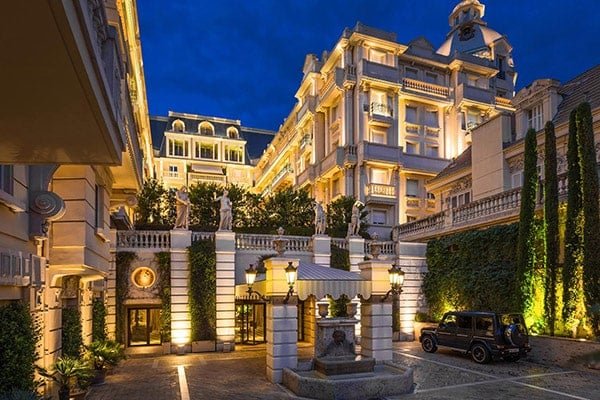
Private villas and branded residences are squeezing out Phuket’s once-thriving mid-tier hotels and operators
Image Credit: StockShots
New branded residences, mega-villa complexes, and multi-billion baht resorts backed by global hospitality giants are taking over premium land. From Layan to Cape Panwa, elite hotel chains are teaming up with developers to create high-margin enclaves targeting UHNW (ultra-high-net-worth) individuals. Mandarin Oriental, Rosewood, Six Senses, and Aman now compete not just on room rates, but on real estate value—selling US$10M penthouses alongside US$4,000-per-night suites.
Mid-Tier Hotels Getting Squeezed Out
As these developments scale up, traditional four-star and boutique hotel operators are finding themselves priced out—literally. Land values across coastal Phuket have skyrocketed, driven by aggressive luxury investment and speculative buying from foreign wealth. Operating costs have followed suit, with wages, utilities, and maintenance fees rising disproportionately. Smaller hotels that once thrived on moderate nightly rates are now trapped in a cycle of shrinking margins and eroding competitiveness.
This Phuket Hotel News report uncovers how several long-standing hotel families in Karon and Surin have quietly sold off their assets to developers, unable to keep up with renovation demands, OTA pressure, and shifting tourist expectations. Many fear a hollowing out of the midrange segment is already underway, as the island becomes increasingly polarized between ultra-luxury resorts and low-budget crash pads.
The Branded Residence Model Changes Everything
At the center of this evolution is the branded residence model—where private real estate is developed under a hotel brand and sold to wealthy buyers, often with optional rental pooling. This model generates enormous upfront capital for developers and allows hotel chains to secure a long-term revenue stream without traditional occupancy risks. But for the local economy, it’s a double-edged sword.
Unlike traditional hotels that hire dozens of staff and rely on local supply chains, many branded residence buyers live abroad and visit only seasonally. Housekeeping is privatized. Restaurants and wellness facilities are gated. And the spending that once flowed into local communities now stays locked within high walls and private security checkpoints.
The Two-Speed Future of Phuket Tourism
What’s unfolding is a two-speed hospitality economy. On one side are elite developments chasing high-margin clientele—often marketing Phuket as a “second Monaco” with yacht berths, private butlers, and helicopter transfers. On the other side are thousands of small independent hotels fighting for scraps on OTA listings, struggling to maintain staff, and unable to compete with the aggressive promotions and amenities of deep-pocketed resorts.
If this trajectory continues unchecked, Phuket risks becoming a destination where only the ultra-wealthy or the ultra-budget traveler can thrive. The middle—the very heart of Phuket’s post-tsunami hotel boom—is vanishing fast.
Government planners and tourism authorities have so far struggled to respond. Zoning remains inconsistent. Environmental oversight is lax. And local associations are sounding the alarm that without protection for mid-scale operators, Phuket could lose the very diversity that once made it a global tourism success story.
Phuket’s Next Chapter Hangs in the Balance
Phuket’s transformation into an ultra-luxury haven may bring prestige and global visibility, but it also risks gutting the economic and cultural core that built the island’s hospitality reputation. If current trends continue, many mid-tier operators may simply not survive the next five years. As the island races to rebrand itself for billionaires and celebrities, the fate of the traditional Phuket hotel economy is anything but secure.
For the latest on the hotel industry in Phuket, keep on logging to Phuket Hotel News