
Phuket Hotel News: Phuket’s Tourism Turns Toward a Greener Future
With global travellers increasingly seeking eco-conscious vacations, Phuket’s hospitality sector is embracing a green revolution. Banks, hoteliers, and local authorities are now working together to transform the island into a model of sustainable tourism for Thailand and beyond.
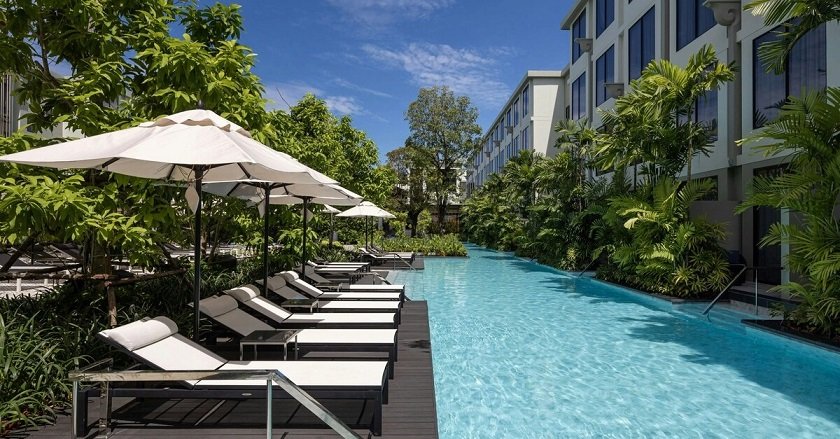
Phuket hotels join hands with banks and local authorities to make the island a regional leader in sustainable tourism.
Image Credit: Four Points by Sheraton Phuket Patong Beach Resort
According to this Phuket Hotel News report, the shift toward sustainability is no longer just a marketing strategy but a survival necessity. Hotels, tour operators, and financial institutions are collaborating to ensure the long-term viability of the island’s tourism industry, making eco-friendly practices the new benchmark for success.
SCB Leads Sustainable Tourism Financing
Siam Commercial Bank (SCB) has taken the lead in driving Phuket’s transition toward sustainability. SCB chief executive Kris Chantanotoke revealed that the bank views tourism as Thailand’s primary economic engine, contributing more than 2.6 trillion baht, or 14% of GDP last year. With over 2.4 million foreign arrivals in the first five months of this year—an 8% increase—Phuket stands out as the nation’s tourism stronghold.
SCB has labelled Phuket a pilot sustainable destination and plans to support the certification of 600 hotels as Green Hotel Plus by next year. The bank has issued more than 180 billion baht in sustainable loans and bonds since 2023, with 80 billion baht directed toward the hospitality sector. These green loans and sustainability-linked bonds encourage hoteliers to pursue certifications like LEED, EDGE, WELL, and TREES.
Eco-Friendly Resorts Set New Benchmarks
Among SCB’s long-term partners, Kata Group Resorts and Jee Teng Hospitality exemplify the island’s eco-conscious transformation. Kata Group chairman Pramookpisitt Achariyachai said sustainability is now essential for business survival. His group operates nine hotels across four southern provinces, holding 57 sustainability awards, including Travelife Gold for six properties.
At Beyond Kata, energy efficiency is embedded into design, from open-air architecture that reduces air-conditioning needs to solar panels, LED lighting, and smart sensors. The resort saves around 1.1 million baht monthly by cutting energy and water costs, recycling waste, and donating surplus food through the Scholars of Sustenance Foundation.
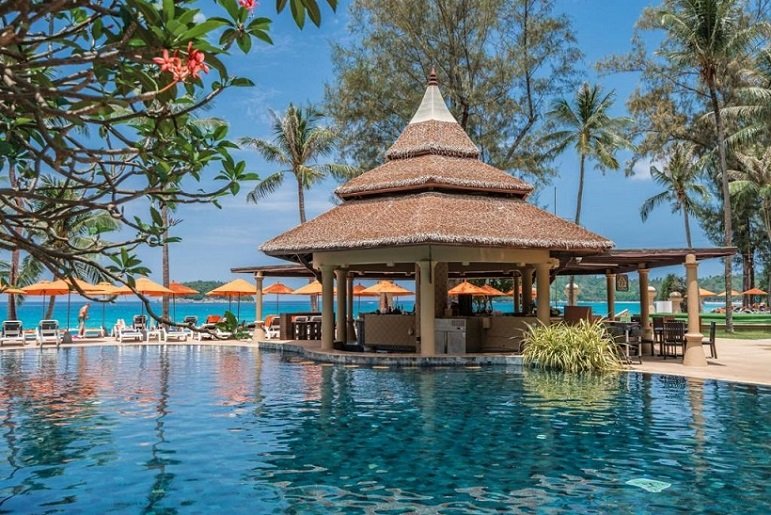
Phuket hotels like Beyond Kata are using architectural designs to reduce electricity costs for air-conditioning and lighting
Image Credit: Beyond Kata
Global Hotel Chains Drive Innovation
Jee Teng Hospitality, which owns the 600-room Four Points by Sheraton Phuket Patong Beach Resort, has also proven that luxury and sustainability can coexist. With 90% occupancy and over 50% profit margins last year, the hotel demonstrates how green practices enhance both guest satisfaction and profitability.
Executive director Saharat Jivavisitnont highlighted that local sourcing—such as using Phuket-grown produce and cage-free eggs—supports both community development and the environment. The resort reduced carbon emissions by nearly 7% this year while saving 2.1 million baht in energy costs. Its upcoming project, the 600-room Sheraton Phuket Nai Harn Beach Resort & Spa, set for 2028, is already EDGE-certified for sustainability from design to construction.
Building a Sustainable Island Together
Mr. Saharat, who also serves as vice-president of the Thai Hotels Association’s southern chapter, said the organization now trains small hotels to adopt sustainable practices. SCB continues to fund educational programs that show smaller operators how green initiatives can cut costs and boost competitiveness.
While private players like Kata Group and Jee Teng Hospitality are setting standards, experts emphasize that government support remains crucial. Infrastructure improvements in waste management, water systems, and transport are vital to Phuket’s sustainability vision.
The island’s next chapter depends on strong public-private collaboration and fairer budget allocation that accounts for the true number of residents, workers, and tourists. SCB, which aims for net-zero emissions across its operations by 2050, sees Phuket’s transformation as a blueprint for nationwide sustainability in tourism.
The move to go green is no longer a trend but a long-term necessity. Phuket’s hoteliers are proving that environmental responsibility can drive profitability and preserve the island’s natural beauty for generations to come.
For the latest on hotels in Phuket going green, keep on logging to Phuket Hotel News.