
Phuket Hotel News: Generational Owners Are Quietly Cashing Out
An underreported shift is sweeping through Phuket’s coastal hospitality sector. While luxury openings and tourist rebounds dominate headlines, many of the island’s beachfront hotel properties are quietly changing hands—without fanfare or press releases. What’s unfolding is a discreet wave of exits by local Thai hotel-owning families, many of whom are selling off prized assets as they face rising operating costs, aging infrastructure, and mounting generational fatigue. This Phuket Hotel News report has uncovered a pattern of transactions taking place behind closed doors, particularly in hotspots like Kamala, Kata, Karon, and Bang Tao. These are not distressed fire sales in the traditional sense, but rather strategic retreats by owners who no longer see a viable long-term path forward in a rapidly shifting market. Often, these transactions are structured through offshore holdings or silent partnerships to keep public attention at bay.
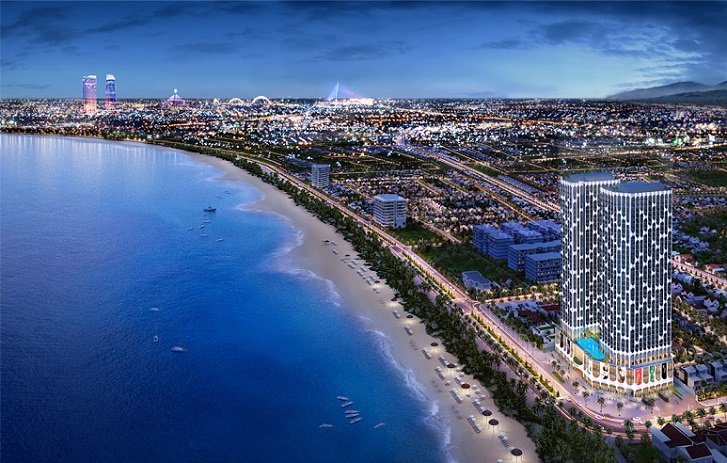
Phuket’s iconic beachfront hotels are quietly being sold off as family owners exit and foreign investors move in
Image Credit: StockShots
Foreign Buyers Are Circling and Striking Quietly
The buyers in this silent selloff are mostly foreign-backed funds, private equity firms, and international hotel conglomerates. With access to capital and aggressive long-term outlooks, they see the current market volatility as an opportunity to acquire beachfront real estate at below-peak prices. These acquisitions are often followed by extensive renovations, rebranding efforts, or total teardown-and-rebuild strategies aimed at upgrading inventory to match the ultra-luxury trend sweeping Phuket.
In many cases, family-run hotels built in the 1980s and 1990s—properties once buzzing with return guests and generations of Thai hospitality—are being shuttered or stripped down in preparation for relaunches as five-star branded residences or lifestyle resorts.
The Pressure Behind the Exits
There are multiple factors fueling this quiet selloff. Rising land taxes, fierce OTA commissions, wage inflation, and tougher competition from newer properties have all made it harder for legacy hotels to remain profitable. Moreover, younger heirs in many hotel-owning families have shown less interest in continuing the demanding and often unpredictable business.
Meanwhile, the return of tourism to Phuket has been uneven. Despite headline-grabbing arrival numbers, many hotels have seen only marginal gains in profit, especially with flight costs, currency fluctuations, and seasonality cutting into margins.
Phuket’s Hotel Ownership Landscape Is Being Rewritten
What we are witnessing is not just a transfer of property—it’s a transformation of Phuket’s hospitality identity. Local family ownership, which once defined the island’s warm and personal hotel culture, is being gradually replaced by corporate management and asset-driven investment logic. While this may lead to elevated experiences and stronger international branding, it could also erode the unique character that made Phuket special in the first place.
If the silent selloff continues unchecked, Phuket’s future may be one of consolidated ownership, standardized offerings, and higher barriers to entry for local entrepreneurs.
For the latest on the hotel market in Phuket, keep on logging to Phuket Hotel News.